Need advice? Let's talk.
Get straightforward guidance from your broadcasting partner. Schedule a call to chat with the team about your radio station.
Book DemoAll Roads Lead Back to Radio: Why Radio Still Has What Listeners Want
Discover why radio still has an edge over streaming platforms. From human curation and host personality to building loyal communities that keep listeners coming back.


Radio is still here. It has survived the inventions of the television, the internet, and on-demand streaming by adapting to how people listen. It’s finding new ways to reach audiences every day.
But the reason for radio’s survival isn’t just down to keeping up with technology. It’s the human connection that transforms listening from a passive experience into something personal, engaging, and shared.
Radio Has Never Been Just Music
Radio helps listeners discover new artists, hear favourite songs, and soundtrack their day. Yet music has only ever been one part of the radio.
Presenters add context, personality, and perspective to what listeners hear. They curate playlists, introduce new music, share stories and opinions, and provide familiar voices throughout the day.
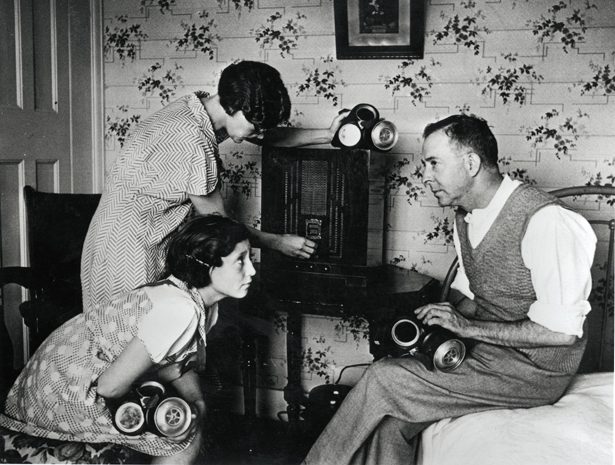
Radio has also traditionally connected listeners to their communities. It became a vital source of news, weather, and travel updates, particularly during the Second World War, when radio carried breaking news and urgent information to homes across the country. Today, that sense of connection remains important.
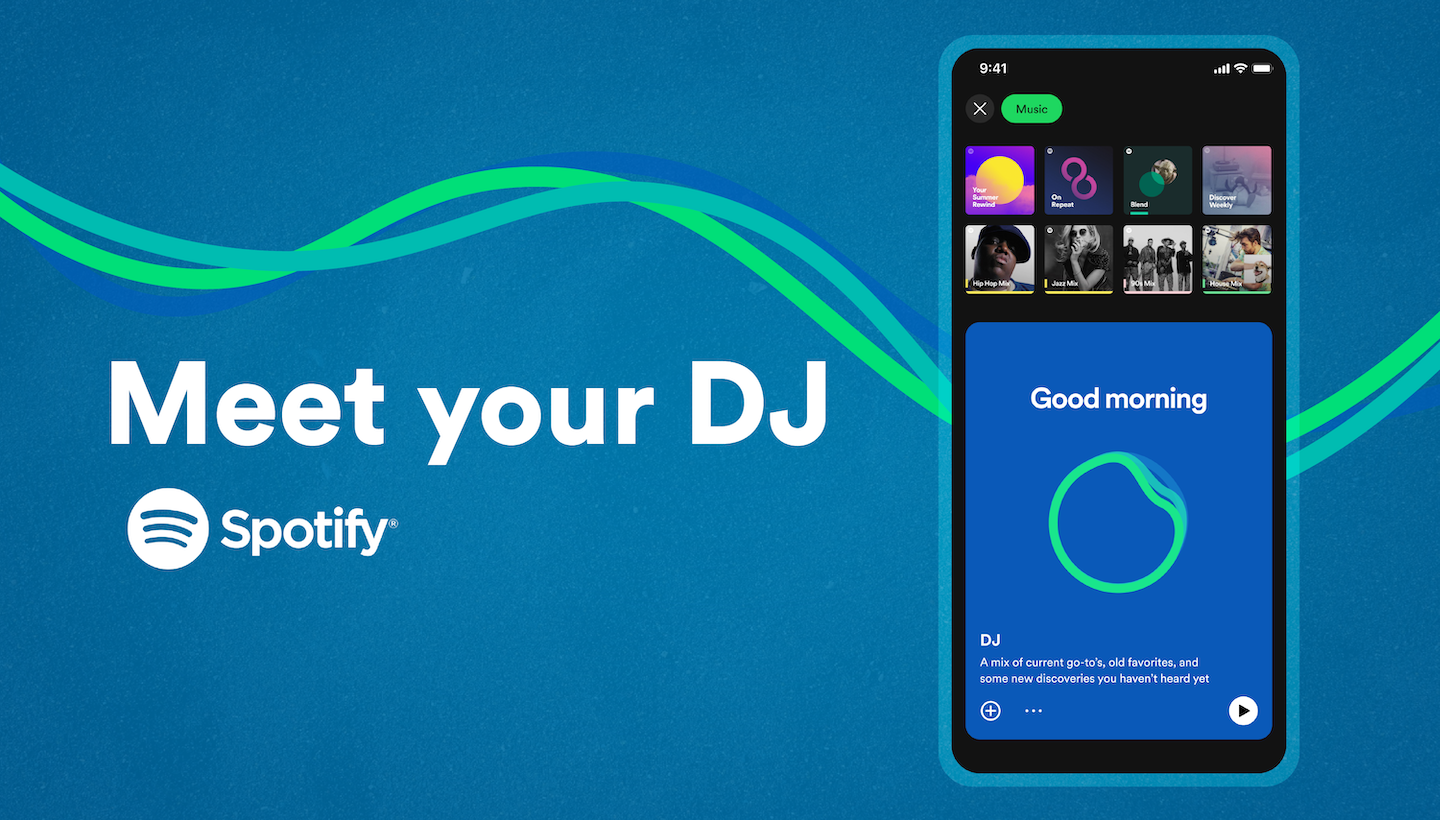
Today’s listeners are not only tuning in for the latest hits. They’re also looking for comfort, familiarity, and companionship. Streaming platforms are increasingly recognising the value of these human touches, introducing features that bring personality and context to music discovery, effectively trying to replicate the human connection radio offers. For example, Spotify’s AI DJ combines personalised recommendations with spoken introductions and links.
As Journalist David Hill argues, there’s still a difference between being recommended a song and having someone give you a reason to care about it.
“People still want curation. They want human connection, not just cold algorithms. And that means more than telling me what year a record came out. Give me a perspective, a story, a twist—something uniquely human that I’m not getting from an algorithm.”
Algorithms vs. Human Curation
Why Algorithms Work
Music algorithms are good at finding patterns. They analyse listener behaviour at scale, from the songs people play and skip to their favourite artists, genres, and listening habits.
That makes personalised recommendations convenient. Instead of searching for something to play, listeners can rely on services to suggest music based on what they already enjoy. Algorithms are useful for passive listening, exploring huge catalogues, and finding tracks that fit established tastes.
Human playlists are also not guaranteed to be perfect. But while algorithms use data and listening patterns to predict what someone may like based on past behaviour, human curators can judge what belongs in the moment.
Why Human Curation Works
A radio host or music team considers mood, pacing, cultural moments, personal taste, and the relationship between songs. They can also introduce something unexpected, pushing beyond familiar habits.
A song doesn't have to fit someone’s listening history to be in line with their tastes and worth playing. A curator might pair it with another track, build energy, create contrast, or introduce an audience to something completely new. This transforms a playlist from a recommendation into a listening experience, with music given cultural and emotional context.
Algorithms can predict what you like, but human connection gives you a reason to keep listening.

Why Has Radio Survived?
Radio once dominated the audio landscape, but television, the internet, and streaming platforms have all challenged its place.
To survive, radio has evolved alongside new technology.
As household computers became commonplace, radio expanded beyond traditional receivers to online streams. Smartphones, mobile apps, and smart speakers have since made it even easier to tune in, allowing radio to fit into the devices people already use every day.
Traditional radio also remains available without an internet connection or mobile signal, making it a reliable source of information when other services are unavailable.
Some of radio’s original strengths remain relevant today. It offers an easy way to listen without scrolling or searching, alongside broadcasting live news, weather and travel updates, and community information as events unfold. Familiar voices, unexpected music discovery, and a sense of community also continue to draw listeners back time and time again.
Technology has changed how people listen, but the reasons why they choose to tune in remain very much the same.

What Makes Your Station Different From Spotify?
So, how do you get listeners to choose your station over an on-demand service like Spotify?
The answer is to offer more than just a playlist. Give people a reason to listen to your station specifically.
Give Your Station a Personality
Spotify tailors recommendations to individual listening habits. It’s convenient, but radio can offer a distinct identity that is shaped by the real people behind it.
Traditional radio thrives off the human aspect. A presenter’s taste, humour, opinions, and storytelling all contribute to the station’s identity, alongside their music selection. Part of radio’s appeal is the prospect of hearing a favourite song by chance, or discovering a new one because a host made an unexpected choice. Listeners don’t know exactly what’s coming next, and that’s part of the experience.
Hill puts it simply:
“Nobody falls in love with a radio show because it had great analytics. They fall in love with the people. Be authentic.”

Give Listeners Information and Context
Streaming services prioritise quick, easy music access. Playlists are made based on “vibes”, such as a workout playlist, a cooking playlist, a breakfast playlist. Instead of introducing you to entirely new music, it perpetuates the taste you already listen to based on your skip rate, liked songs, and listening history.
Radio can add context: a personal story, an artist interview, a cultural reference, or an anecdote or detail about why a song matters. For local stations, context extends to news, weather, events, and issues affecting the area. Specialist stations share genre knowledge, celebrate underground artists, or connect tracks to a music scene’s history. These extra details give the station’s programming a purpose.
Give Listeners a Reason to Return
Radio encourages listeners to come back by staying unpredictable. While streaming algorithms can introduce new music, radio hosts bring spontaneity through their opinions, unexpected song choices, and cultural or community updates.
David Hill explains that radio needs to be willing to take a risk every once in a while.
“Do something unexpected. And I don’t just mean play a song you normally wouldn’t play. Take an edge. Have an opinion. Be real. Make somebody feel something and give them a reason to come back.”
Radio also provides a sense of companionship. Whether listeners are working, driving, or doing housework, a familiar voice keeps them company and creates a connection. Knowing a presenter is broadcasting in real time, and that others may be listening too, makes the experience feel shared.
Instead of trying to beat modern streaming platforms at their own game, independent radio stations can focus on what they do better: personality, curation, and connection.

How Much Should You Talk Between Songs?
If you ever tried to record a mixtape from the radio back in the day, you might remember the frustration of a presenter talking over the start or end of a song. Those (sometimes annoying) links are actually part of what makes radio feel more human.
The right balance depends on your station’s format. Some listeners may just want music; those listening at work rely on radio for information and entertainment; older people or those unable to leave their homes may want information, connection, and company. A lighthearted competition or quick funny story can offer listeners a welcome break in a day.
Focus on a few key principles:
- Don’t talk between every song: Let tracks flow naturally into one another. Short runs of two or three songs can help maintain momentum.
- “Hit the post”: If you’re comfortable, talk over a song’s intro and stop just before the vocals begin.
- Make each link count: Keep it concise, relevant, and interesting. Add local insight, quick wit, or a useful fact listeners wouldn’t get from a playlist.
How much you speak will depend on your station. On a breakfast or drive-time show built around established presenters, personality-led links can help build familiarity. For a specialist music station, keep speech connected to the genre, with artist stories, trivia, or insight that rewards listeners for tuning in.

Building a Community, Not Just an Audience
Community grows when people recognise themselves in a station, relate to the host, or feel represented by the content and can get involved.
Represent Your Listeners
Community stations can give local residents or fans of a particular genre a voice in programming. They understand the places, interests, and experiences they’re talking about, which helps the station feel rooted in the community, instead of speaking from an outside perspective.
For example, local radio station RadioAlty broadcasts 24/7 and covers issues affecting Altrincham, including homelessness, sustainability, and environmental initiatives. By reflecting local concerns and stories, a station can become part of the area’s everyday life.
Make Room for Listener Interaction
Live radio creates opportunities for direct communication. Presenters can invite requests, take calls and texts, ask for opinions, and respond to listeners. These interactions help listeners feel actively involved instead of just passive listeners.
Local stations can also give residents a platform to raise issues and share information with neighbors, community groups, or decision markers.
Include Overlooked Voices
Mainstream media usually caters to a broad audience, prioritising content with mass appeal. Community and specialist stations can make space for local interests, underrepresented groups, and even languages that receive less airtime elsewhere.
Môn FM, a bilingual community station serving Anglesey and northern Gwynedd, broadcasts in Welsh and English, covering local news, sport, and music. Its programming helps Welsh language and culture remain a part of everyday broadcasting. A radio station doesn’t have to appeal to everyone in order to matter, but it should mean something to whomever it serves.
Let the Community Shape the Station
Many community stations rely on volunteers who produce programmes and learn broadcasting skills unpaid and in their own time. This grassroots involvement makes a station more relatable as it is shaped by people connected to its audience.
Invite listeners to contribute ideas, take part in shows or get involved behind the scenes. Start by making the people who already listen feel like the station is theirs too.
Use Technology to Your Advantage
Streaming, scheduling tools, audience analytics, and social media can still help independent stations reach more people. They break down listening habits and make the broadcasting process more accessible and manageable. Station owners should use these tools to their advantage, to support their relationship with listeners, instead of letting numbers define the station.
Use analytics to spot patterns. When do the most listeners tune in? Which shows keep people listening? What triggers engagement? Keep your authentic human judgement, but let real, data-backed metrics improve your station.
Promote shows on different channels and share snippets on social media. Make listening as easy as possible on your website and mobile app, and continue the conversation post-broadcast.
As David Hill advises, “Use the technology. Understand the metrics. But don’t forget what the product is - you.” Data can undeniably help you reach people, but you give them a reason to stay.
Conclusion: All Roads Lead Back to Radio
The rise of streaming platforms like Spotify and Apple Music has shown how valuable human curation and connection can be - but radio has been doing this all along.
While some may dismiss it as an outdated medium, radio’s advantage is the real people who bring its music and content to life. It reflects communities and makes listeners feel like more than just passive consumers - they feel part of something bigger.
The main takeaway is to continue refining your station’s unique sound. Make your talking links count, and give listeners a distinct reason to return. Be bold, authentic, and share your own thoughts and perspectives. Your station isn’t in competition with every big commercial station or those with a mass audience. You simply need to carve out your own space in the industry and build on what makes your station different.
Don’t lose sight of the human side of radio. Streaming platforms can offer endless song choices and polished playlists, but they can’t replicate the feeling of a familiar human voice, unexpected song discovery, or a community that feels like home.


