Need advice? Let's talk.
Get straightforward guidance from your broadcasting partner. Schedule a call to chat with the team about your radio station.
Book DemoIllegal Broadcasting Risks: What Happens if I Broadcast Without a License?
Equipment seizures, hefty fines and even jail time, illegal broadcasting has plenty of risks. Discover what happens if you broadcast without a license and the legitimate alternatives.


When applying for a radio license is a lengthy, expensive and often fruitless process, it's tempting to broadcast illegally. But what exactly is at stake if you do? Illegal broadcasting has plenty of risks. These range from the simply annoying right through to the dangerous.
We’ll dive into what these risks are and how to avoid them and broadcast your station legitimately. But first, let’s clarify what illegal broadcasting actually is.
Key Takeaways
- Broadcasting on the radio spectrum is illegal without the appropriate license.
- Regulatory bodies control the number of terrestrial radio stations, as the radio spectrum is limited. Too many stations could cause interference for other services.
- The penalties for broadcasting illegal vary per country, but fines and equipment seizure is common.
- In some cases, repeat offenders will face jail time.
- Obtaining a radio license is often complicated and expensive.
- Internet broadcasting is a low-risk, low-cost alternative to getting your radio station heard.
What is Illegal Broadcasting?
Illegal broadcasting refers to ‘pirate’ radio stations (or bootleg/clandestine/free radio in the US) broadcasting on the radio spectrum and without a license. These licenses must be obtained from the respective regulatory body, like the Federal Communications Commission in the US.
Other Regulatory Bodies Per Country
Why Terrestrial Radio Is Illegal Without a Licence
Terrestrial radio uses the radio spectrum for transmission. The radio spectrum is a range of frequencies on the electromagnetic spectrum, used for telecommunications. But it is a limited resource. Meaning there’s only so much bandwidth available and more can’t be created.
The radio spectrum is shared by lots of different services and technologies. This ranges from personal uses, like baby monitors and mobile phones, to public sector uses like transmissions between emergency services and for national defence.

When there’s too much demand on the radio spectrum, we get interference. This might mean the signal is distorted or lost. Sure, it’s annoying when you lose a radio station on a road trip, but we only have to imagine how catastrophic this could be for our emergency services.
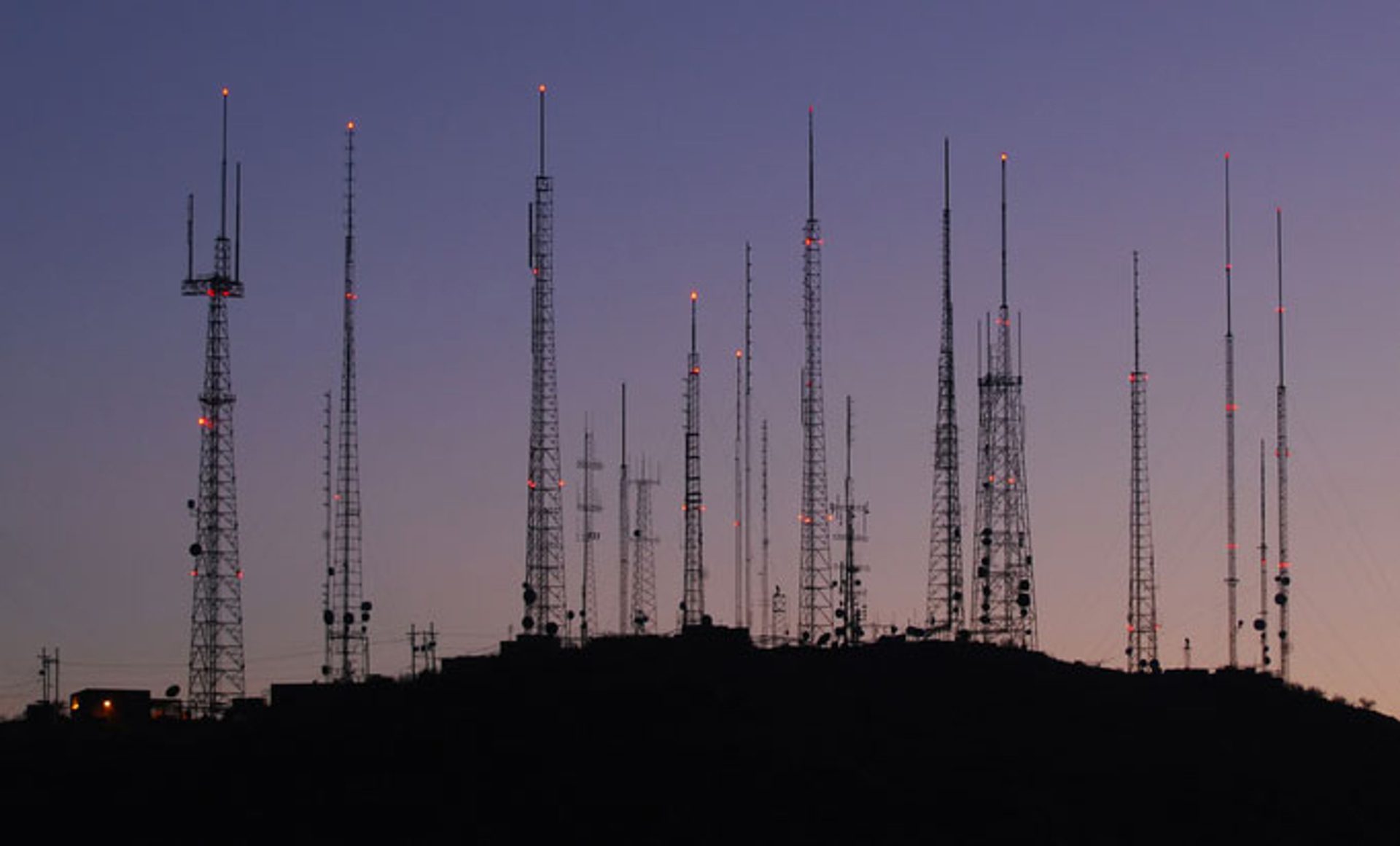
So, to stop crowding on the radio spectrum and limit interference, regulatory bodies control how many radio stations can broadcast on it. They enforce this through law, making it illegal to broadcast on the radio spectrum without the appropriate license (or exemption, like a Ham radio).
What Could Happen if You Broadcast Without a License
Broadcasting without a license (i.e. illegally) comes with risks. While some depend on your country's laws, others - like interference - are universal. Let's take a look at them.
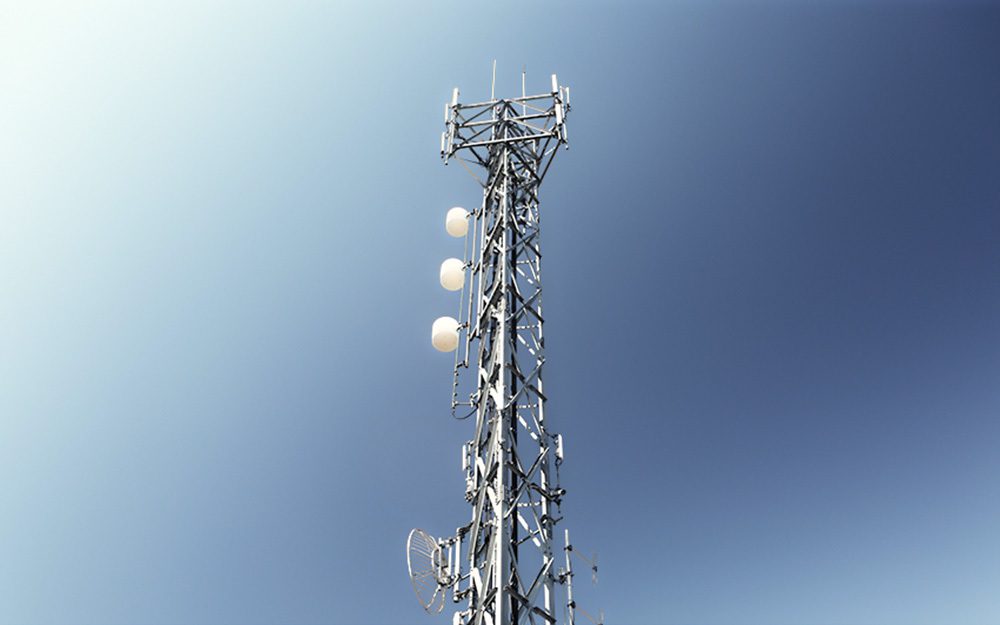
Interference
Irrespective of your country's laws, broadcast illegally and you could create interference to another radio signal. Unlicensed broadcasts risk using a frequency that’s already in use. When this happens, these signals can disrupt communication and navigation systems used by emergency services and aircrafts and endanger the safety of others.

Jail Time
Where illegal broadcasting is a criminal offence, some countries have a possible penalty of jail time for those found guilty. In the UK, this is up to 2 years. In the US, jail time is more likely for repeat offenders. You're also more likely to get jail time if your broadcasts have caused disrupted critical infrastructure and/or are broadcasting harmful content.
Criminal Damage
If you place a transmitter and antenna up on a property that's not yours, you risk criminal damage charges.
Fines & Penalties
Broadcasting illegally may cost you. Regulatory bodies often have the power to issue fines to those broadcasting illegally. In the US, The PIRATE Act allows the FCC to issue forfeitures of up to $119,555 per day, with a maximum of $2,391,097. In the UK, cases of illegal broadcasting found guilty in court can result in unlimited fines.

Equipment Seizure
You could lose all your gear. With the power to search premises under investigation, regulatory bodies can also seize any equipment related to illegal broadcasting. This covers more than just your antenna and transmitter, regulatory bodies can seize mics, decks and mixers too.
How To Avoid Broadcasting Illegally
If you want to broadcast legally, there's two legitimate avenues. Either get a radio license, or broadcast online instead. Let's look at the more complex option first: getting a radio license.
Obtain A Terrestrial Radio License
Perhaps the most obvious way to avoid illegal broadcasting is to obtain a license. Obvious it may be, simple it is not.
The steps to applying for a radio license depends on your country, your radio station type and your audience. As a rule of thumb, licenses for commercial radio stations with wider audiences will be more expensive than licenses for educational or not-for-profit stations, with a small broadcasting radius.
The process also depends on if you’re applying to take over a frequency from an existing station. Or if you’re applying to broadcast on an unused frequency. Some regulatory bodies, like the FCC, will need you to have a construction permit (for a new transmitter) before they issue a license.
It’s also worth noting regulatory bodies often control the type of content you can broadcast, and you can be denied a license if your audience is already served by another, licensed station.
Broadcast Online
At a fraction of the cost, and without a radio licence, you can broadcast over the internet. With Radio.co, you only need a computer/smartphone and an internet connection to broadcast online. As well as avoiding the application fees, you also remove the hoops to jump through to get a radio license.

In an age where mobile data & Wi-Fi is widespread and streaming is so popular, many listeners expect radio stations to have an online stream.
Terrestrial Radio and Internet Broadcasting: Pros & Cons
AM & FM
Pros
- Available on traditional radio sets that don't have internet connectivity.
- Does not require an internet connection.
Cons
- Requires a radio broadcasting license.
- Limited Range: AM can reach up to several hundreds of miles, FM can reach up to 40.
- Only one radio station can broadcast on one signal.
- Subject to interference. AM can experience more so than FM.
- Does not transmit metadata like song names.
- Requires technical expertise to broadcast.
- Needs technical equipment to broadcast.
DAB
Pros
- Available on DAB-enabled radio sets.
- Doesn't experience interference.
- Can broadcast multiple stations on one signal.
- Has a greater range than AM/FM.
- Transmits metadata like song names.
Cons
- Requires a radio broadcasting license.
- Requires technical expertise to broadcast.
- Needs technical equipment to broadcast.
Internet Radio
Pros
- Doesn't require a radio broadcasting license.
- Doesn't require technical expertise to broadcast.
- Uses simple, everyday equipment (a computer/smartphone)
- Available anywhere and on any device with an internet connection (and speakers).
- Doesn't experience interference.
- Has a global reach.
- Transmits metadata like song names.
Cons
- Not available on traditional radio sets.
- Requires an internet connection to broadcast live and listen.
So Is Illegal Broadcasting Worth It?
Very few terrestrial radio stations can afford fines for broadcasting illegally. And most would be forced off-air if their gear was seized by regulatory bodies. With this in mind, there seems to be little point risking it. Especially considering that getting a radio broadcasting license in the first place is tricky.
But there are now legitimate alternatives for radio stations wanting to be heard. Internet radio offers a legal, low-cost & low-risk way of getting your sound out there. For many stations with their hearts set on terrestrial broadcasting, establishing yourself online first is a great way to build up your audience first.

And unlike terrestrial broadcasting, you don't need any technical know-how to get started. With Radio.co, you'll benefit from cloud back-up. So if you lose your internet connection, Radio.co will push out your back up stream from the cloud. On top of this, you'll have Radio.co's team of radio experts on hand to help. This could be helping you set up a YouTube livestream or making your station's own custom mobile apps.
Ready to get started? Book a one-on-one demo or sign up for a free 14-day trial.


