Need advice? Let's talk.
Get straightforward guidance from your broadcasting partner. Schedule a call to chat with the team about your radio station.
Book DemoHow Much Does it Cost to Start a Radio Station?
Get to know all the costs of starting your own radio station and everything that's involved from start to finish.


A common question we get at Radio.co is, “How much does it cost to start a radio station?”. We’re going to break down everything you need to think about when setting up your own radio station on Radio.co and give you an idea on how much it might cost you.
Starting a radio station used to be reserved for big corporations with deep pockets. But things have changed. Today, you can get on the air with very little money. The total cost depends on how professional you want to sound and which platform you choose.
How does Radio Broadcasting work?
Before looking at the costs, it is important to understand the different types of broadcasting. Whether you want to go digital or stick to the airwaves, the technology you use will change your budget.
4 Factors Impacting Cost of Starting a Radio Station
1. Type of Broadcasting: AM/FM, DAB, or Online Radio?
There are a few different things you need to consider when you’re setting up a radio station for the first time (and the costs that come with them). The first would be, what kind of station you want to be (AM/FM, DAB, or online radio). Check out the video explaining the different types of stations and which you should choose.
Alternatively, here's a rough breakdown:
- FM/AM: Broadcast locally, up to about 30-40 miles before the signal breaks up. It all depends on the transmitters strength.
- DAB: Broadcast further, even managing to cover whole countries, however, you still cannot effectively broadcast outside of your country of origin.
- Online Radio: Broadcast anywhere worldwide, so as long as your listeners have a decent internet connection, they will be able to hear you wherever you’re broadcasting from.
After you’ve considered this, you’ll need to start considering the cost of your setup. The costs will be different depending on what kind of setup you’re looking at. Obviously, we can’t predict the exact cost of a setup because every setup is different, so these figures are all low in cost but with reliable equipment and without jeopardising sound quality.
2. Equipment
You do not need a million-dollar studio to sound great. We have selected the best gear from our Equipment Page to help you get started.
The Entry-Level Setup
This is perfect for beginners who want to sound professional without breaking the bank.
Microphone: RODE NT-USB+. A high-quality plug-and-play mic. Buy on Amazon US | Buy on Amazon UK
Headphones: Shure SRH440. These provide accurate audio for a great price. Buy on Amazon US | Buy on Amazon UK
Accessories: A basic pop filter and a desktop stand will cost you around $30.
The Mid-Range Setup
Choose this if you want to host guests or have more control over your sound.
Microphone: Rode PodMic. This is a classic "radio-sounding" dynamic mic. Buy on Amazon US | Buy on Amazon UK
Audio Interface: Focusrite Scarlett Solo. This powers your mic and connects it to your computer. Buy on Amazon US | Buy on Amazon UK
Boom Arm: Thronmax Zoom. This clears up desk space and looks professional. Buy on Amazon US | Buy on Amazon UK
The Professional Setup
This is for stations that want to compete with the biggest broadcasters.
Microphone: Shure SM7B. This is the gold standard for radio and podcasting. Buy on Amazon US | Buy on Amazon UK
Monitoring: Yamaha HS8 Speakers. These give you a perfectly clear representation of your mix. Buy on Amazon US | Buy on Amazon UK
Costs of Basic Equipment
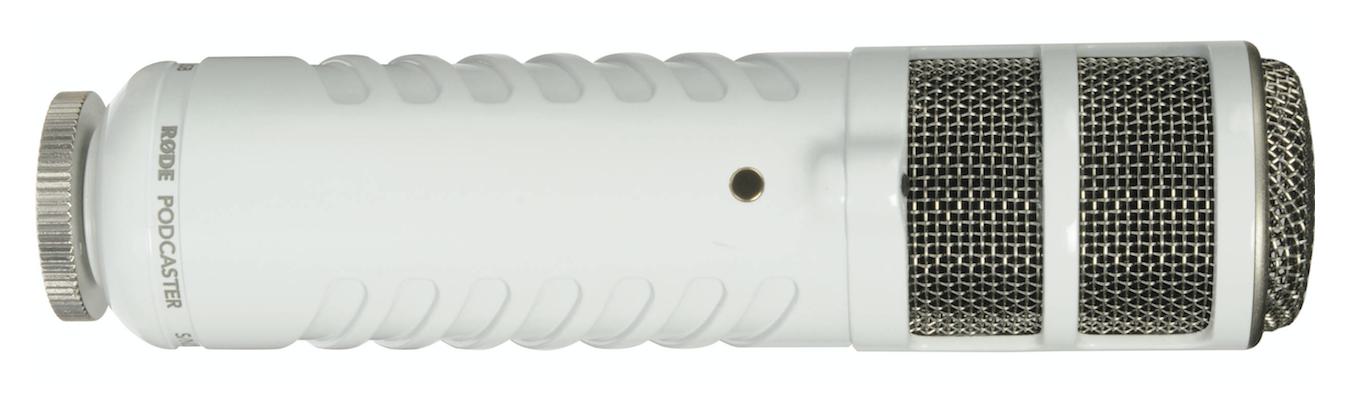
Microphone: Rode Podcaster
The Rode Podcaster looks and feels like a high-quality microphone. It’s heavy due to its internal shock mount. You can move it about without much noise being picked up. It also has a built-in pop-filter which neutralizes most plosives when up close, so an additional pop-filter isn’t essential. The best part is it's USB, so you can plug it directly into your laptop.
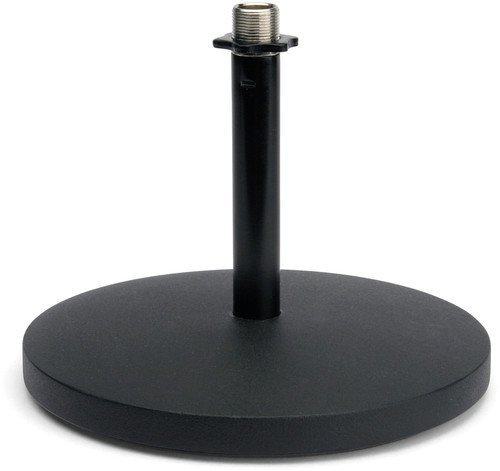
Microphone Stand: Samson MD5
Stands and shockmounts are essential because alone, microphones will pick up a lot of the vibrations, either through microphone handling or people walking around. To reduce that, you can put your microphone in a shockmount on a stand.
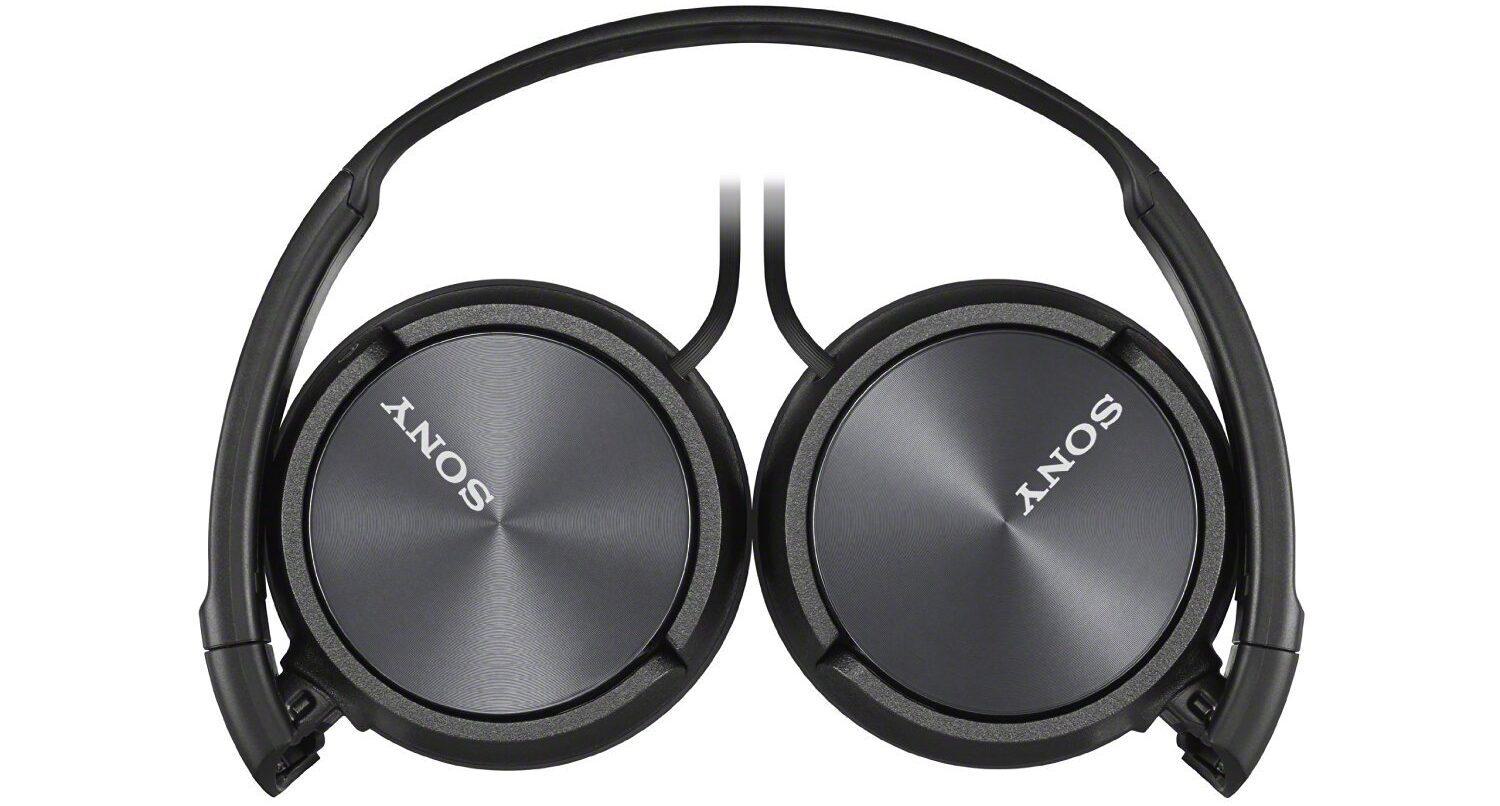
Headphones: Sony MDR-ZX100
These headphones allow you to monitor your audio output in great quality, all while only costing a tiny amount. They are a great pair of monitoring headphones to start out with.
(Note: With FM/AM & DAB radio, you will need a transmitter as well!)
3. Music Licensing & Royalties
While you don’t need a license to broadcast online, you do need a license to play copyrighted music.
Licences needed for Online Radio
If you’re creating an Online Radio Station, you will only have to worry about the music licensing because there’s no frequency broadcasting at all.
Costs-wise, it all depends on how much money you earn from your station and whether or not you’re planning on playing advertisements/sponsorships.
US Music Licensing
In the US, you generally need to pay several organizations to stay legal.
SoundExchange: This covers the digital performance of sound recordings. There is a $50 filing fee, and minimum annual fees usually start at $1,000.
ASCAP, BMI, & SESAC: These cover the songwriters and publishers. Minimum fees for these often start around $400 each per year.
UK Music Licensing
In the UK, you typically need PPL and PRS for Music licenses. These are calculated based on your station's revenue and the number of listeners you have. For small hobbyist stations, these can be relatively affordable.
A big part of setting up any radio station is working out what licensing you’ll need. We actually have an article explaining the types of licenses available to you on Stream Licensing Explained.
In short, the licenses you need depend if you’re broadcasting on FM/AM or DAB, and if you’re planning to play out copyrighted music. You’ll need a license, or even a couple of licenses, for that too.
Licensing Costs for Commercial Stations (UK)
If you are planning on becoming a commercial station in the UK, playing adverts and music, the minimum you could be paying (as of June 2018):
- PRS: £1,004 per year.
- PPL: £715 per year (plus, £104 per year if broadcasting to multiple territories) OR £219 per year (stations with revenue of less than £5,000 per year).
Although, it is important to note that there are exceptions if music is only a small percentage of your broadcasts.
Licensing Costs for Non-Commercial Stations (UK)
If you are planning on becoming a non-commercial station in the UK, playing adverts and music, the minimum you could be paying (as of August 2018):
- PRS: Contact PRS directly for pricing at radiolicensing@prsformusic.com.
- PPL: £415 per year OR £219 per year (dependant on listener numbers).
Note: We have displayed the approximate minimum fees to give you an idea of the smallest fees displayed on PPL and PRS websites for licensing. These fees could go up or down depending on what type of station you are and whether or not fees have changed since this post.
4. Playing Royalty Free Music (UK)
If you only play royalty free music, you would only need a royalty free license. This means you purchase the license to use specific songs or albums of songs forever. You only pay once per song/album of music. Also, some songs you don’t even need a license for, which are ones usually covered with a basic Creative Commons license.
If your station is all about sharing the latest hits, then commercial music is a must. But for many businesses, you just need a "vibe."
Playing royalty-free music is a smart way to create an atmosphere without the high cost of licensing. This is ideal for retail stores, cafes, or commercial spaces where you don't need recognisable hits. Our Soundscapes service offers curated, 100% royalty-free audio environments.
For larger businesses, our Enterprise plans offer centralised control for multi-site deployment. You can manage the sound of your entire estate from one dashboard while avoiding expensive PRS/PPL or SoundExchange fees.
5. Software and Hosting
Finally, you need a way to get your audio to the world. Radio.co plans start at $59 per month. This includes your server, automation tools, and the ability to broadcast live.
At Radio.co, we’re also constantly developing new stuff! We've recently launched Voice Studio, allowing you to create professional voiceovers in seconds. We've also launched our studio mobile app, so you can manage your radio station from your smartphone, and we've released our next generation of customisable radio apps for Android and iOS, to give your radio station the home it deserves.
Many broadcasters test the water with online radio, then take it terrestrial once they've got their footing.
A Way To Reduce The Cost of Starting a Radio Station
One way to reduce the costs is to broadcast online only. That way, you can skip the licensing fees of broadcasting on terrestrial radio. An added plus is with internet radio stations, there is a lot more simplicity. The setup can be as simple or as complex as you like and with Radio.co the process of getting up and started is incredibly simple!
You can set your station up to run 24/7, so it even plays out pre-recorded content when you aren’t around, and you will be able to broadcast anywhere in the world! As long as your listeners have decent internet connection, they will be able to hear you. You also have options of doing live shows, scheduling pre-recorded content, or scheduling playlists of songs and content, giving you full customisation over how you want your station to sound
Ready to Get Started?
How you broadcast and the type of equipment you choose can dramatically change how much it costs to start a radio station. A bigger budget is required if you plan on broadcasting via FM/AM or DAB due to licensing costs (at least here in the UK and over in the USA). However, you are limited in terms of broadcasting range.
If you’re planning on starting an internet radio station, then you won't need to spend as much as licenses are usually cheaper. Plus, you’ll be able to reach a global audience with pretty much zero limitations. Why not start your own radio station today with a 14-day free trial. Alternatively, if you have any questions then feel free to email us at studio@radio.co.


