Need advice? Let's talk.
Get straightforward guidance from your broadcasting partner. Schedule a call to chat with the team about your radio station.
Book DemoThe History of Radio
When was the first radio, and who actually invented it? On World Radio Day, let us take you on a journey through the history of the radio.


The Beginning
The story of radio begins in the 1800s - closer to home than you may think. Scottish physicist James Clerk Maxwell is not well-known, and he never saw a television, radio, or the internet in his lifetime. Yet he laid the foundations for the technological age we live in today. In 1865, Maxwell introduced the theory of electromagnetic waves - a breakthrough that would later be essential in the invention of the radio.
His contribution was so significant that Albert Einstein described it as “the most profound and the most fruitful that physics has experienced since the time of Newton.” How’s that for a compliment?
In 1886, German physicist Heinrich Hertz proved the Scot’s theory. His breakthrough earned the name “Hertzian waves”, which scientists eagerly studied over the next 20 years. Progress became a group effort: Jagadish Chandra Bose and Oliver Lodge developed short-range signalling, and Karl Ferdinand Braun developed long-distance transmission.
Early Breakthroughs
Over in Italy, inventor Guglielmo Marconi played a pivotal role. By sending Morse code via Hertzian waves across long distances, he developed the first practical radio-based wireless telegraph system. Marconi’s tests proved radio signals could travel far - overseas and internationally.
In 1897, Marconi opened a radio station on the Isle of Wight (the first of its kind), transmitting messages to Europe. Another station later opened in Cornwall successfully sent signals all the way across the Atlantic to Canada. His technology became essential for maritime communication, with his radio system famously assisting in the rescue efforts of the Titanic disaster.
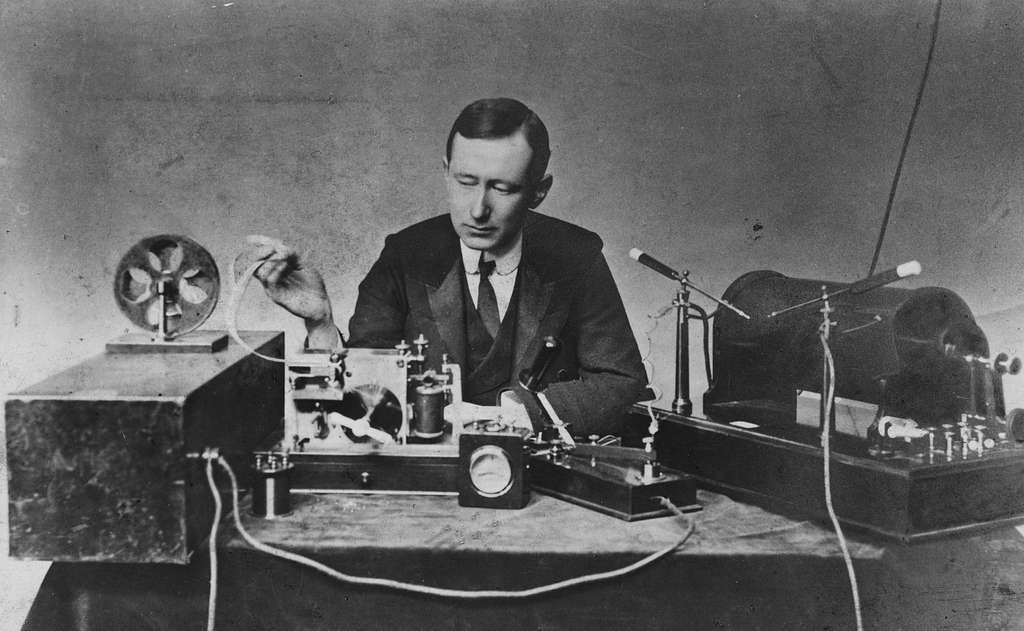
American inventor Lee de Forest and Canadian Reginald Fessenden then contributed to the introduction of voice and music transmission, transforming radio from coded signals into a medium for entertainment and information.
The World Wars
While devastating, both World Wars accelerated the evolution of radio. Military communication, secure transmissions, and intel gathering were vital parts of wartime efforts, particularly across long distances between allies.
As radio technology improved and became more affordable, families began investing. People could rent a radio, or even buy one, and while the listening experience was initially headphones only, the invention of the loud speaker in 1926 allowed radio to become a shared household experience.
In 1922, the British Broadcasting Company, also known as the BBC, was founded, becoming one of the most influential radio institutions in the world.
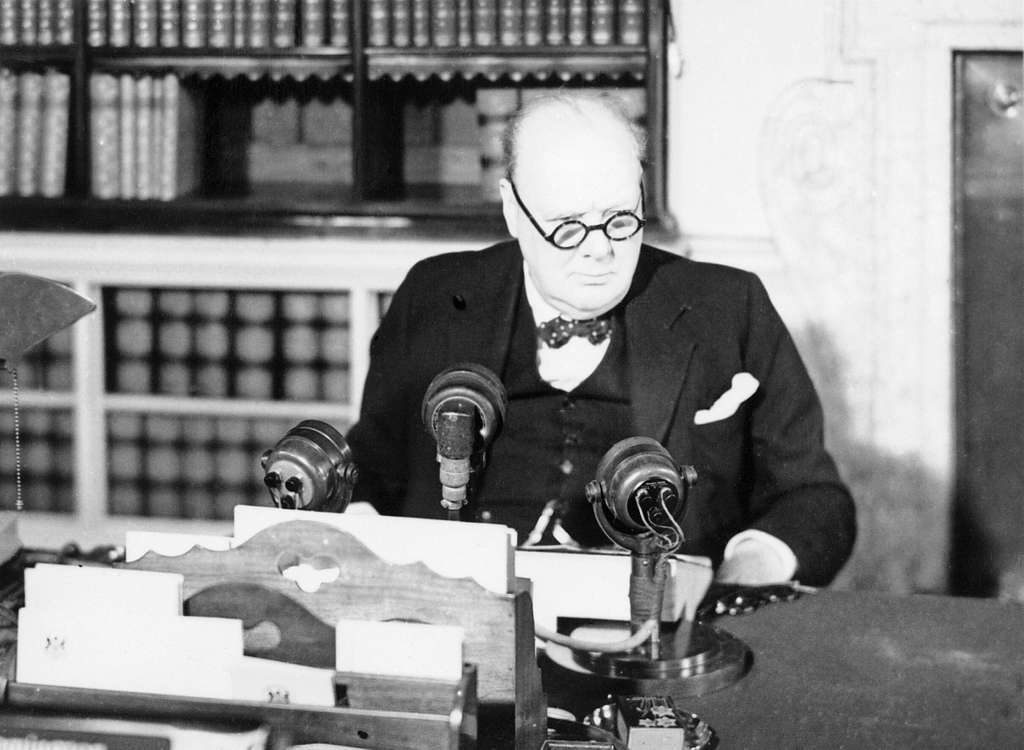
By the Second World War, radio had become imperative for both sides, not only for communication, but also for propaganda. The Nazis famously relied on the media to spread their messages, and distributed nine million radios across Germany. On the air, military marches replaced dance music and embellished frontline reports were continually broadcasted. When something bad happened, the radio would conveniently switch to entertainment tracks.
The Renaissance of Radio
After the exhaustion and devastation of both wars, the world needed a break - and some fun. Radio stations flourished across the world, broadcasting news, sports, music, and drama. Radio was involved in some of history’s most pivotal moments, such as Neil Armstrong’s first words on the moon in 1969, and Martin Luther King Jr.’s “I Have A Dream” speech in 1963.
But despite the popularity of the radio, younger audiences felt somewhat neglected. Traditional broadcasts tended to cater towards older listeners, which sparked the emergence of illegal broadcasts. Off the back of this, broadcasters like the BBC realised they needed to adapt their shows, and launched BBC Radio 1 to spotlight current and popular trends and youth music and culture.
The power of radio was undeniable. Black-owned and operated radio stations like WERD, WHUR-FM, and WVON were integral to the Civil Rights Movement of the 1960s and 1970s. They provided platforms for activism, community organisation and gathering, and truthful reporting, while also spotlighting and elevating Black public figures, from Malcolm X activism to the more recent historic presidency of Barack Obama.
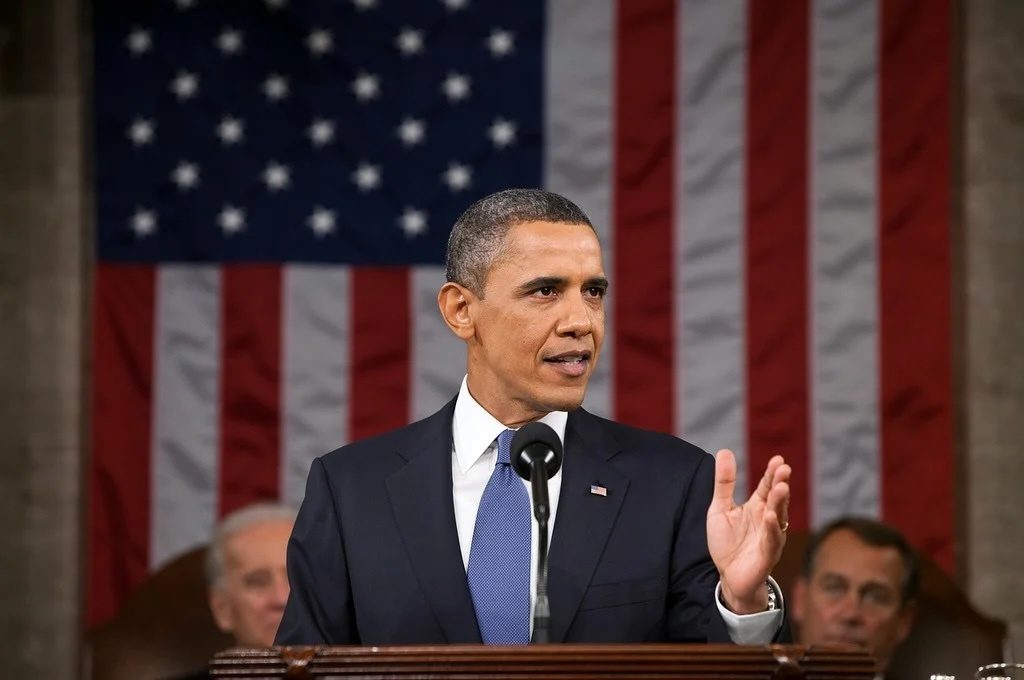
The growth of radio also gave radio hosts the opportunity to build genuine bonds with listeners through regular, intimate conversation - something that still exists today. Despite social media and streaming, the personal, human nature of radio - a familiar voice in the kitchen, or in the car - creates a strong sense of companionship and community.
Cue the radio renaissance. New commercial stations such as LBC and Capital FM emerged in the 1970s, broadening the range of shows and music. At this point, radio had become culturally influential, with what happened on the airwaves having a similar impact to what happens online or on TV today.
The Rise of Internet Radio
We’re nearly there. By the 1990s and the 2000s, radio moved online. Early broadcaster tools like SHOUTcast and Icecast, while difficult to set up independently, made online streaming possible. Their contributions helped popularise streaming audio content and made internet radio what it is today.
The world's first ever internet radio station, “Internet Talk Radio”, was launched by Carl Malamud way back in 1993, featuring interviews with figures in science and technology. Soon after, a number of live concerts were broadcast over the internet, followed by the launch of the first radio station to play music on the web.
Pioneering internet radio service providers offered the first hosted community platform for internet radio station owners and listeners. Later in the 2000s, new streaming platforms like Spotify, YouTube, and Google Music leaned into on-demand listening, emphasising control and choice.
By the early 2010s, Spotify began shifting to personalise its service for each user. Under the direction of CEO-Founder Daniel Elk, the platform implemented its algorithm-based recommendations, which would go on to threaten the role of radio for music discovery.
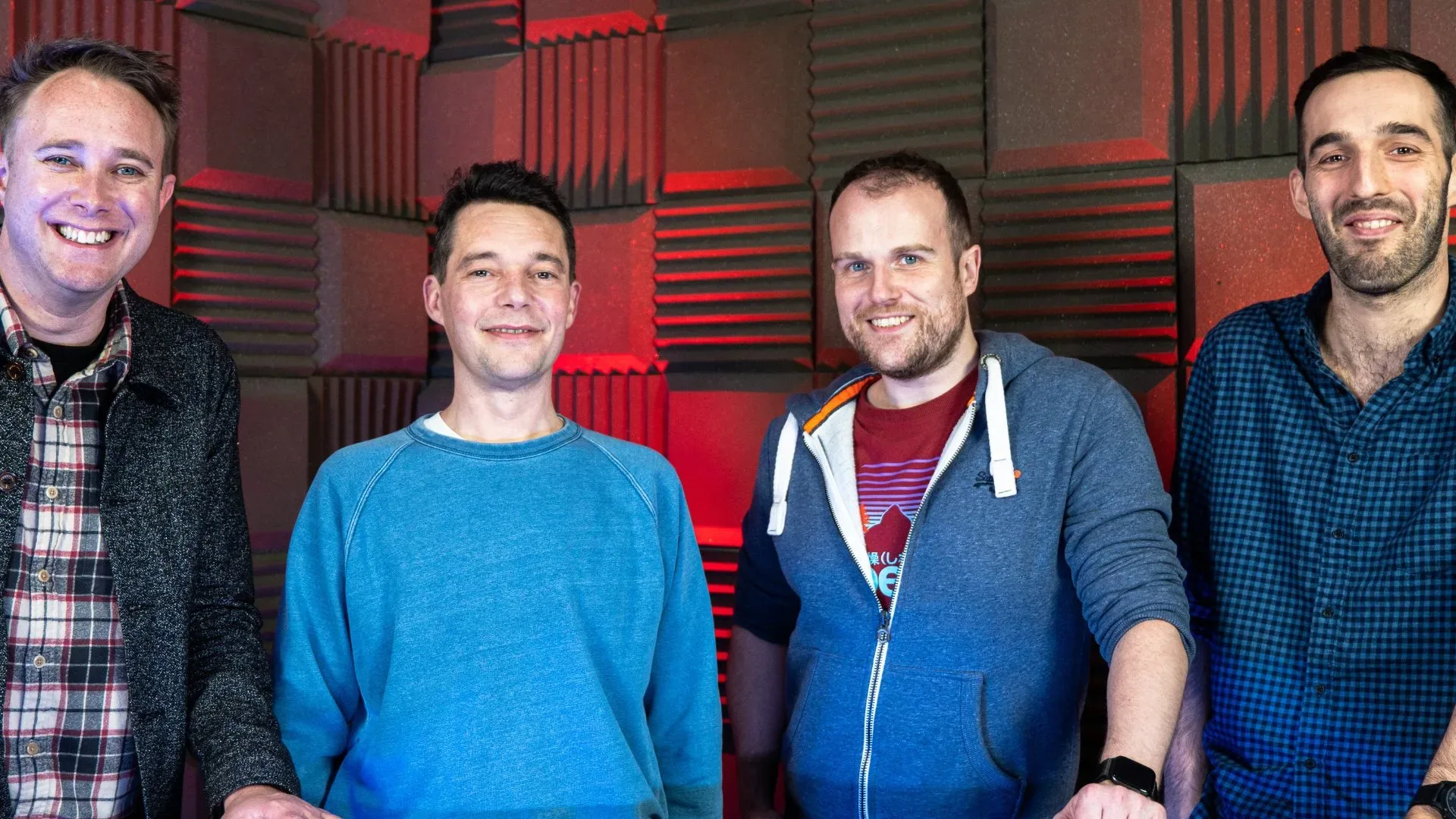
However, in 2015, cloud-based radio creation service Radio.co was launched by James Mulvany, allowing anyone, anywhere to create their own radio station.
With only an idea and an internet connection required, opportunities became endless for creators. In particular, the global infrastructure and removal of licensing constraints allowed broadcasters to create niche, specialised stations. All while drawing in listeners from across the world.
Today, you’ll find stations dedicated to 70s rock tunes, news affairs in Japan, and even music designed to help your dog sleep.
Radio Today
World Radio Day celebrates everything that radio has been and everything it will become. Time and time again, the death of radio has been predicted. Remember “video killed the radio star”? And yet, each time, radio perseveres.
It entertains, informs, and comforts. For many, it’s light in the dark, or a lifeline, for those experiencing loneliness. According to RAJAR’s Q4 2025 listening stats, 86% of the UK population tuned into radio every week, with 75% tuning in digitally.
Radio continues to evolve alongside changing listener habits and preferences, and the shifting tech and media landscape. While traditional radio may face competition from streaming services and online digital advertising, the future of radio is still bright. It remains one of the most affordable and accessible media channels out there, and as it adapts to new technologies, platforms, and audiences, it doesn’t look like it’ll die out anytime soon.
Be a Part of History
If you want to get involved in this thriving industry, and be part of radio’s history, head over to Radio.co to set up your own internet radio station. Begin a 14-day free trial or book a demo with one of our team, and see where radio can take you.


