Need advice? Let's talk.
Get straightforward guidance from your broadcasting partner. Schedule a call to chat with the team about your radio station.
Book DemoHow Traditional Comms Fail Your Drivers (And What To Do About It)
Screen and text-based messaging is ideal for those at computers, but not behind the wheel. Discover how these traditional comms fail drivers and what to do about it.


To reach a fleet that’s always on the move, managers need to rethink the digital dashboard. We’ll look at why traditional, text-heavy comms fall short and how audio solutions keep drivers engaged and in the driver’s seat.
In this article, we’ll dig into the communication gap in logistics, why "screen-first" strategies are failing your fleet, and how to use audio to boost retention and safety.
Key Takeaways:
- The "Screen Gap": Traditional comms (email/apps) require eyes on screens or paper, which is neither safe nor practical for drivers on-shift.
- Tone Matters: Text-based messaging often feels cold or "bossy." Audio allows for empathy and human connection, reducing driver-dispatch friction.
- Retention is Key: With a global driver shortage, making drivers feel truly valued and not just a cog in the machine, is a competitive advantage.
- The On-Demand Shift: Drivers with shift patterns need flexibility. Private podcasting allows them to catch up on important briefings at a time that suits them best.
- Safety Through Audio: Real-time recognition of safe driving via a radio stream reinforces positive behaviour much faster than a monthly report.
Why Traditional Comms Fail Drivers: The "Screen Gap"
To understand why traditional comms fail, we have to look at the driver’s environment. Most corporate communication is designed for people sitting at desks. It’s built on the assumption that you can "tab over" to an email or scroll through a Slack channel. This is the screen gap.
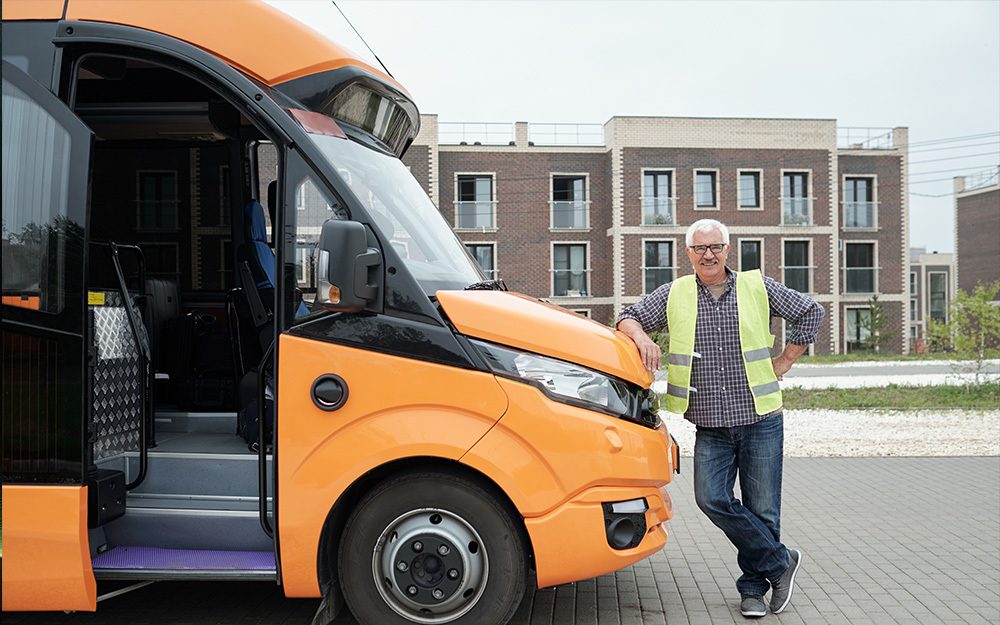
For a driver, the smartphone or telematics screen is a tool for navigation, not conversation. When important company updates are sent via text or email, they end up in a "digital pile-up." When working primarily on the road, there’s little suitable opportunity to catch up. It’s unsafe for drivers to read updates while driving, they don’t have time to pull over on shift, and their on-site time is filled with admin.
The result? Only 40% of frontline logistics staff feel their current company communication is actually effective.
Why You Need An Audio-First Strategy
How a company talks to its fleet is directly tied to how long those drivers stay with the business. A UK Government report found that poor relationships with dispatchers and a lack of support are leading reasons why drivers walk away.
An audio-first strategy meets the driver where they are: in the cab, with their ears open. This helps for:
- Cut Through the Isolation: Working long-haul on your own can be a lonely affair. Of course, drivers can tune into commercial stations or listen to music and podcasts. But a dedicated radio station brings both a human presence and the shared driving experience. Whether it’s a shout-out for a driver’s work anniversary or updates about ferry crossing delays, drivers are getting human-connection and relevant information when they’re on their own.
- Flexibility For Drivers: No need to put extra demands on a drivers packed-out schedule. On-demand audio lets a driver catch up with briefings at a time best suited for them.
- Company News Delivered Right: New benefit schemes or policy changes can be explained clearly, with the right tone, so nothing is "lost in translation" via text.
- Learning Opportunities: From staff interviews to training tips, give drivers the option to turn downtime into growth time.
- Real-Time Morale & Safety: Celebrate your drivers hitting safety milestone with a live shout-out for instant recognition and help drivers feeling valued.
Why Audio Is The "Missing Link" In Fleet Efficiency
Logistics is a game of flexibility. Fuel prices fluctuate, routes get blocked, and regulations shift. Keeping a fleet efficient requires speed.
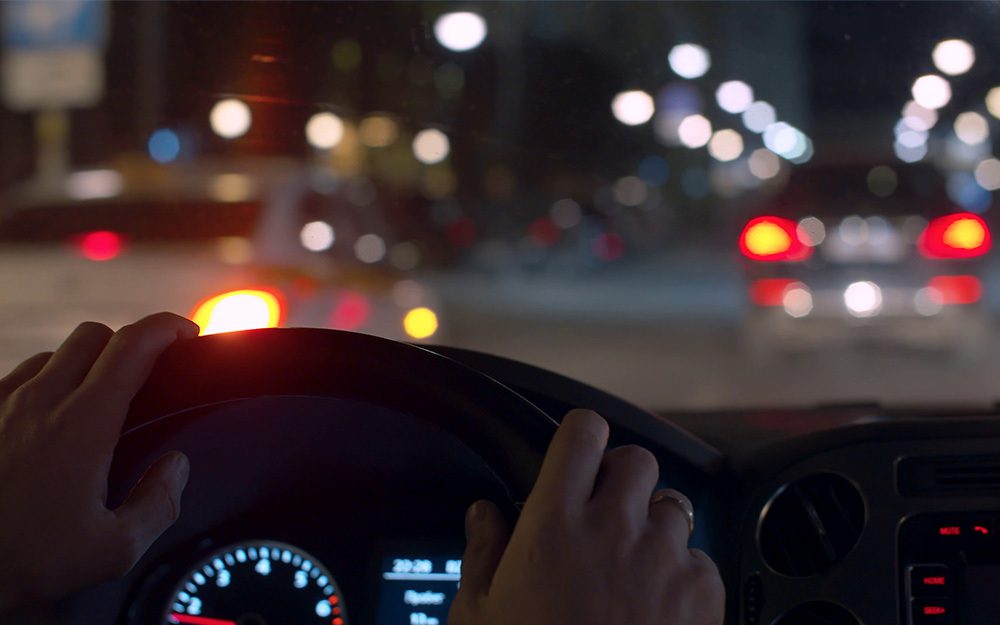
When so much radio listening happens in vehicles (26% of all radio listening in the UK) you’re using a medium your drivers already love. By broadcasting online, you bypass the limits of traditional FM/AM signals. Your drivers can tune in from a busy city center, or a remote stop in the country, all via their cab's internet or a mobile app.

While commercial stations may cover some relevant traffic updates, a dedicated radio stream can give specific info and help to your fleet. Perhaps the toilets are out of order at a rest-stop or there are loading delays at a particular depot. This bespoke service can keep your drivers in the know, safely.
How To Get Your Fleet Listening
The idea of starting a "radio station" or a "podcast network" might sound like a massive technical headache. But it’s actually a lot like putting together a flat-pack wardrobe—it’s easy when you have the right parts and a clear manual. And even easier when you’ve got a handyman to do it for you.
Radio.co is like that handyman. Radio.co is an all-in-one solution that provides all the tools, software and support needed to create and manage an online radio station.
Radio.co Key Features
Dedicated Private Servers: Your internal station is secure and for your eyes (and ears) only.
Custom Mobile Apps: Drivers can use voice assistants like Siri or Google to "Play [Company] Radio" so their hands never leave the wheel.
Managed Content: We can even help you produce the content, from music scheduling to editing your private podcast.

What We Do
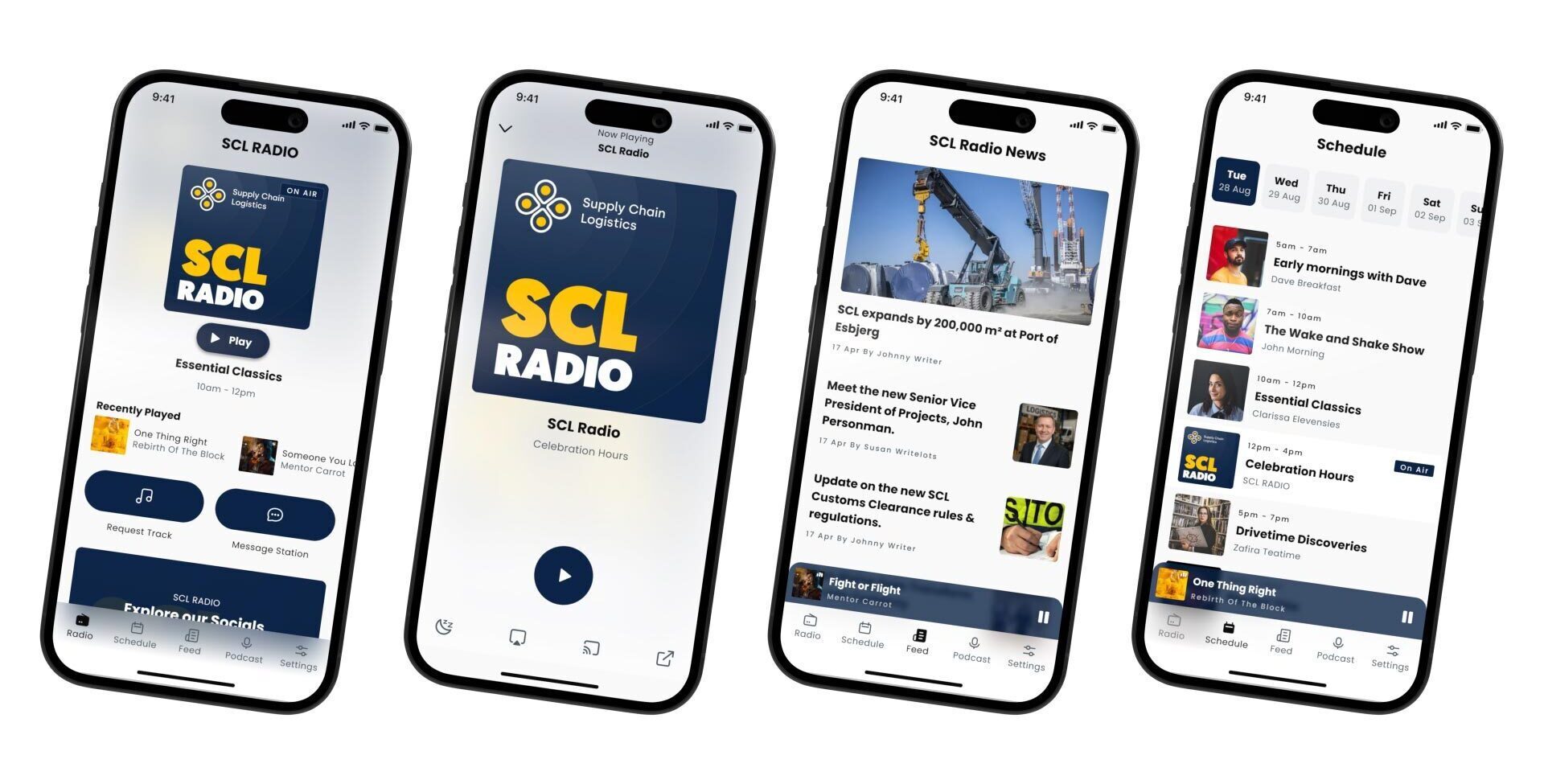
We use your communication goals to design and build your company radio station from scratch. We create show structures, help with licensing and take care of all editing and scheduling. We’ll also regularly update music and produce fresh content that reflects your company. All to successfully motivate your drivers, with little demands on your time.
And we make sure your drivers have listening options by providing custom-built radio apps, an Alexa skill and even private podcasting.
Closing Thoughts
Your drivers are the backbone of your business, but if they feel "out of the loop," they won't stay for long. But the good news, embracing an audio-first comms strategy brings a big opportunity to get around this. You can provide drivers with flexibility in how they keep up to date and create a positive working environment that rewards safe driving, all while showing drivers you understand the challenges they face.


