Need advice? Let's talk.
Get straightforward guidance from your broadcasting partner. Schedule a call to chat with the team about your radio station.
Book DemoThe Best Microphones For Church Broadcasts
Church broadcasts let all of your congregation members join the worship, even if they can’t attend in person. Discover the best microphones to use so your messages of faith are heard loud and clear.


Faith and religion are central to the lives of many. Modern streaming technology like Radio.co's service ensures the devoted never have to miss a service, even when they cannot attend in person. By broadcasting your congregation online, you bring the sanctuary directly to those at home.
Beyond Sunday services, online radio provides a powerful platform for spreading messages of faith throughout the week. To do your service justice, the audio must be clear and professional. We have put together this guide to the best microphones for church broadcasts to ensure your message is heard perfectly by listeners near and far.
Factors To Consider When Choosing a Mic For a Church Broadcast
There is tremendous variation between churches and services, which means they'll require different set ups. Here are some important factors to consider.
Environment
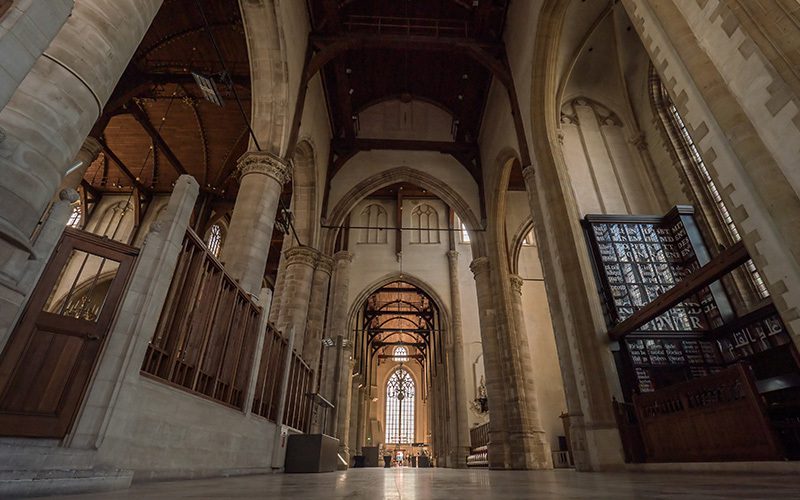
The acoustics of your building play a major role in your sound quality. Large spaces with hard surfaces create significant reverb, while smaller rooms with carpets or curtains sound much "drier."
The acoustics of your building play a major role in your sound quality. Large spaces with hard surfaces create significant reverb, while smaller rooms with carpets or curtains sound much "drier."
Atmosphere
You know the energy of your service better than anyone else. A quiet, contemplative gathering requires different sensitivity than a high-energy service with a full band and a loud congregation.
Number of Participants
Planning your microphone placement depends entirely on the order of events. You need to account for the number of speakers, the size of the choir, and any transitions between them.
Instruments
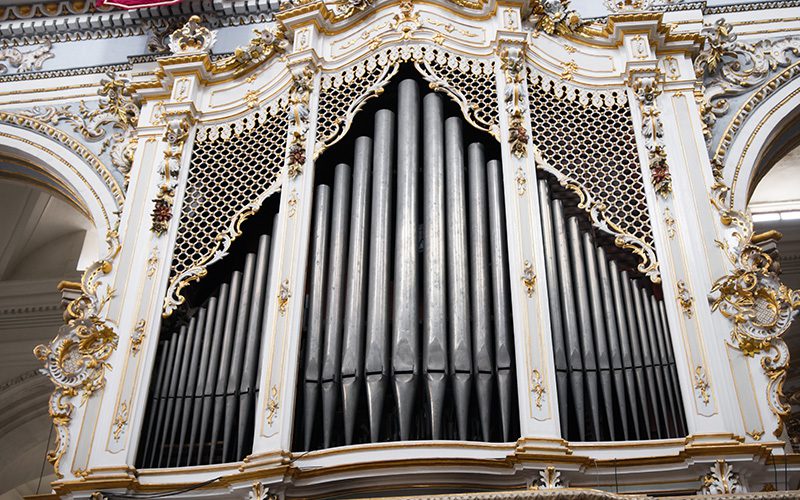
Miking a musical performance presents its own set of technical hurdles. Different instruments have unique frequency ranges and volume levels that can easily overwhelm a basic microphone. For example, a grand organ produces deep bass that requires a robust diaphragm, while a guitar needs mid-range clarity to cut through the mix.
PA Systems
Many churches use a Public Address (PA) system so those in the back pews can hear the speaker. This creates the risk of feedback, which occurs when a microphone picks up its own signal from the speakers and creates a piercing loop. Balancing the needs of the live audience with the needs of the online broadcast is the primary challenge for any church sound engineer.
Using Mics For PA Systems and Religious Broadcasting
The good news is that you can often use the same microphones for both the live PA system and your digital broadcast. This efficiency saves money and reduces the amount of equipment cluttering the altar or stage. However, the presence of live speakers adds a layer of complexity to your engineering. You must be strategic with placement to ensure the microphones capture the speaker's voice without catching the "bleed" from the PA system.
Best Microphones For Sermons from the Pulpit
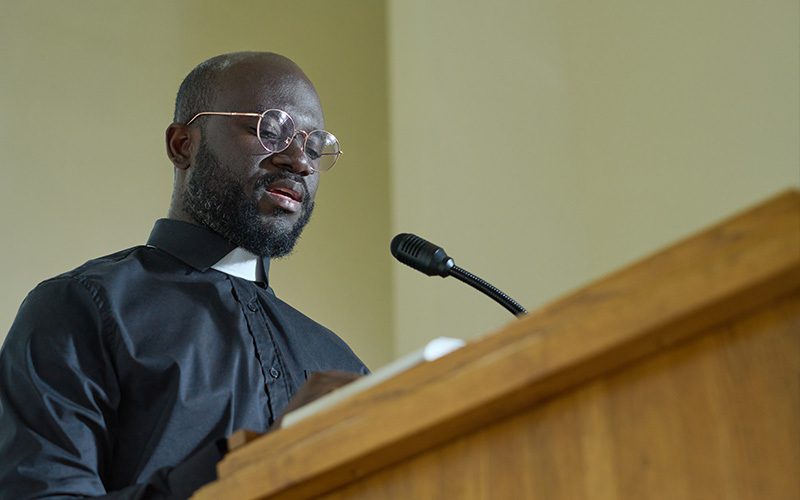
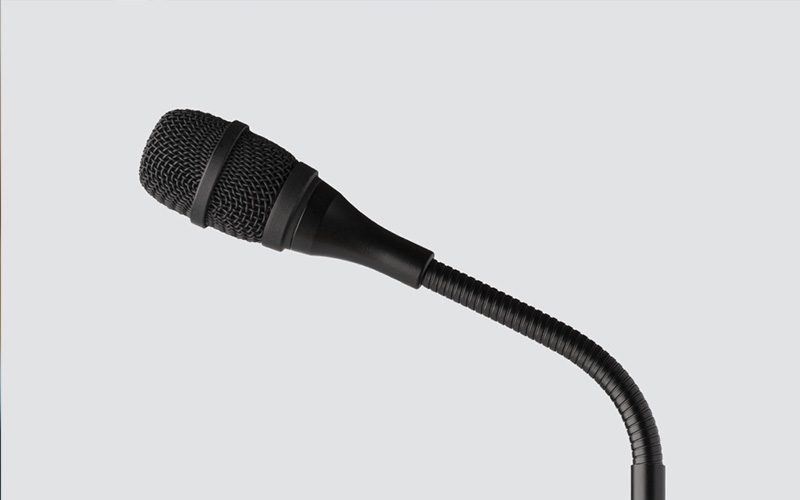
A strong service starts with a clear voice from the leader of the congregation. For stationary speakers addressing the crowd from a pulpit or podium, a dedicated podium microphone is the professional choice. These microphones are typically long and sleek, which ensures they do not obscure the face of the person speaking. Their flexible "gooseneck" design allows you to adjust the height in seconds to accommodate different speakers.
Podium mics should feature strong rear rejection to ignore noises coming from behind the mic. This keeps the broadcast focused on the sermon while blocking out distractions like coughing, crying babies, or heavy doors closing in the back of the hall.
Earthworks FlexMic Gen2 - $449
This is a premium choice known for incredible "reach," meaning the speaker doesn't have to be right on top of the mic to be heard clearly.
DPA 4098 Gooseneck - $960
DPA is the gold standard for transparency, offering a natural sound that makes the listener feel like they are standing in the room with the pastor.
Best Microphones For Moving Speakers
When a leader prefers to move around the stage or walk among the pews, a stationary mic will not work. In this scenario, you need a high-quality handheld vocal microphone that can travel with them.
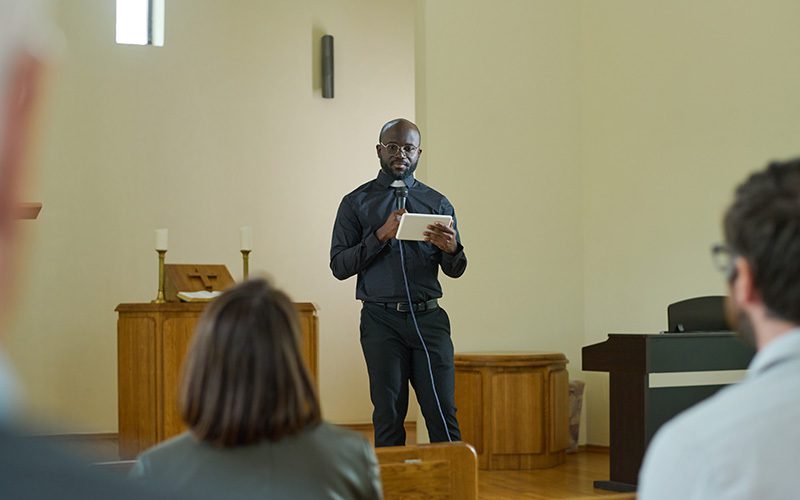
Shure SM58
The Shure SM58 is a legendary piece of equipment known for being nearly indestructible. It features an internal shock mount and a built-in windshield to limit the "thumping" sounds caused by movement or handling.
Its cardioid pickup pattern isolates the voice and reduces background noise, allowing for high volume before feedback occurs. The wired version is very affordable at around $100, though a professional wireless system will typically push the cost toward $350.
Sennheiser e835
The e835 is a fantastic alternative that offers a slightly "brighter" sound than the SM58. This extra clarity helps voices cut through a mix if there is background music playing during the address.
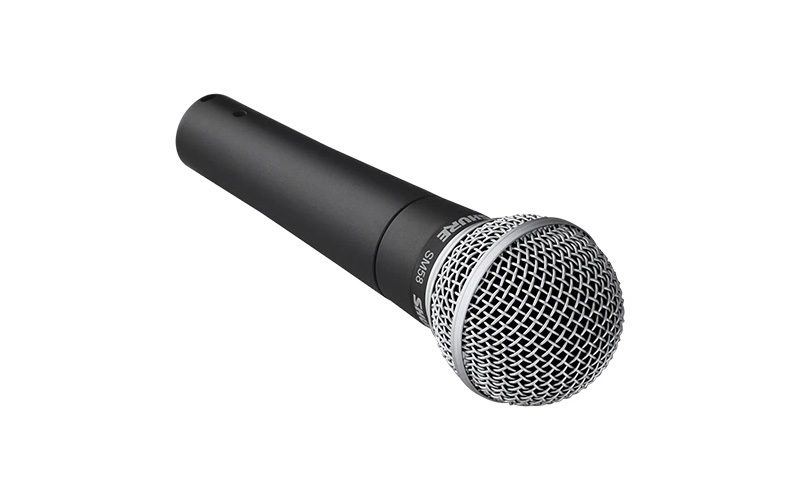
AKG D5
The AKG D5 uses a "supercardioid" pattern, which is even more focused than a standard cardioid. This makes it a top-tier choice for very loud environments where you need to eliminate as much ambient noise as possible.
Best Microphones for Choirs
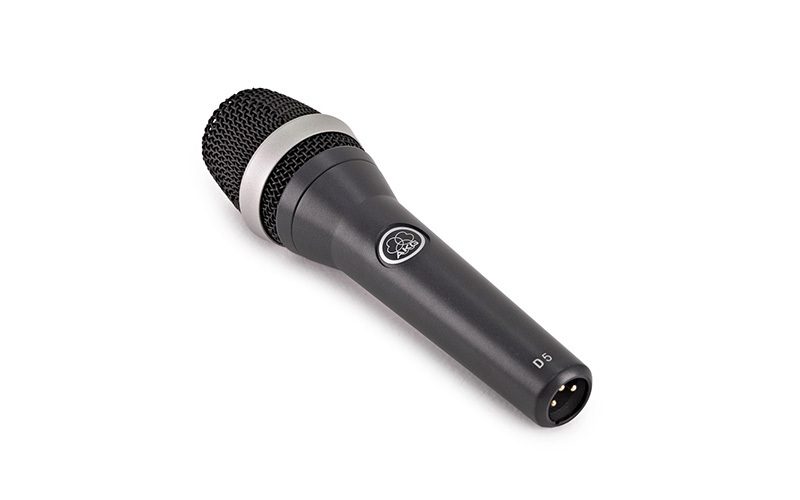
Miking a choir is complex because you have to balance many voices into one cohesive sound. The goal is to represent the entire group as the choirmaster intends. And without letting a baritone or soprano unintentionally dominate the broadcast.
While it is tempting to use many microphones, you should actually use as few as possible to minimize feedback. A high-quality cardioid microphone can usually cover 15 to 20 singers, meaning three mics are plenty for most church choirs.
For a professional stereo image, it is best to use a "matched pair" of microphones. These are two identical mics that have been tested to ensure they respond to sound in the exact same way, providing a balanced and immersive experience for the listener.
Which Microphones Are womenUsed In BBC Church Broadcasts?
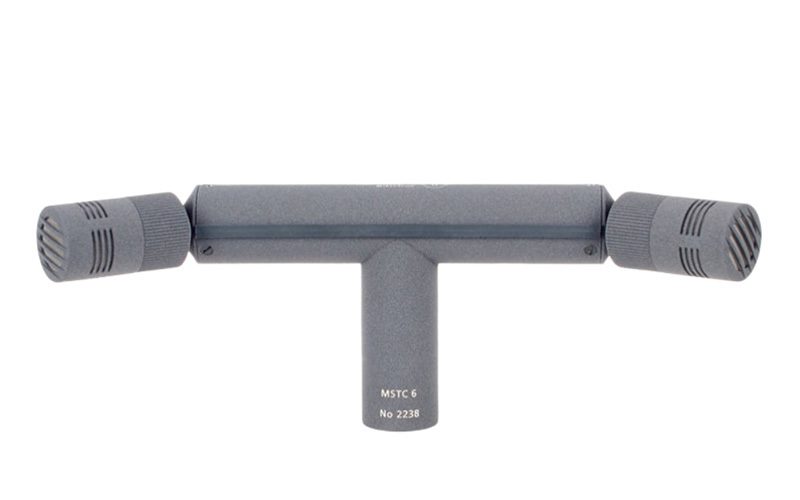
To capture the BBC broadcast of Choral Evensong at St Patrick’s Cathedral, Dublin, sound engineer David Walker used a matched pair of DPA 4006 microphones combined with a Schoepes MTSC 64 mic, to form the professional microphone arrangement known as a ‘Decca Tree’.
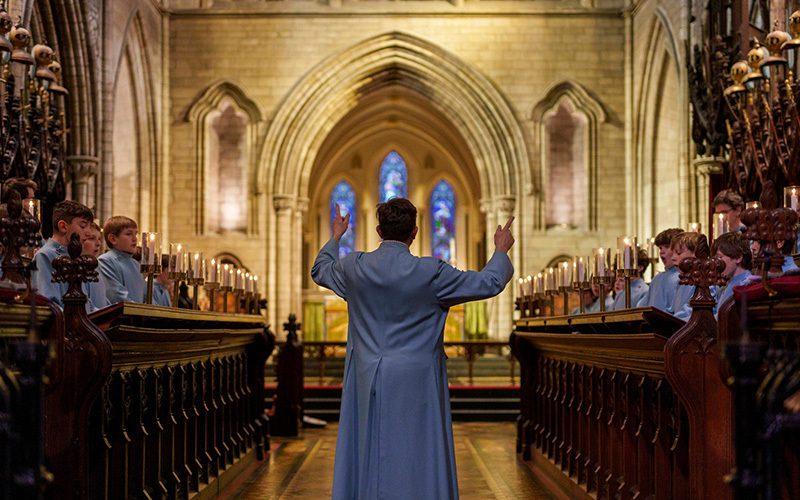
A Decca Tree involves two side-placed microphones and one microphone in the middle in a "T" shape and is placed above the conductor to capture a perfect balance of the choir and the natural reverb of the cathedral. The DPA 4006 mics were on the side and the Schoepes MTSC 64 mic was placed as the central mic.
Similar to the Neumann M50 microphone originally used in a Decca Tree, DPA 4006 mics excel at capturing deep bass without the proximity effect, thanks to their low-frequency response.
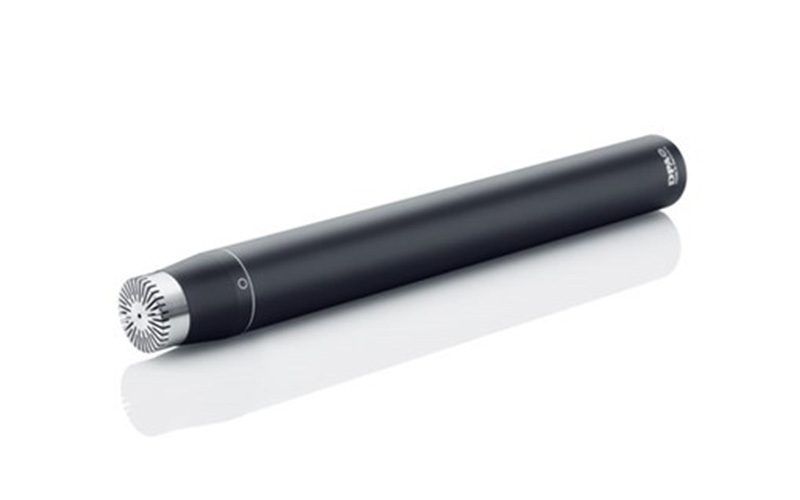
As well as being natural sounding, DPA 4006 are highly sensitive omnidirectional mics with very low self-noise, and it’s this feature that makes them ideal for capturing quiet acoustic environments like a church service.
- Buy the DPA 4006 at Amazon US - $2960
The Schoepes MTSC 64 mic consists of two cardioid capsules, with 17cm distance and 110 degrees angled away from each other. By using this mic, Walker used the ORTF set-up to capture a rich, stereo image and mimic human hearing. This is a good way to accurately represent the choir to listeners, as if they were at the service themselves.
Alongside his Decca Tree, Walker used Sennheiser MKH40s as spot mics for his speakers. It's a good choice for speakers as its switchable roll-off filter minimises the proximity effect. The proximity effect is where the sound source (in this case, the speaker) is close to the mic and this proximity increases the low frequencies of the speakers voice, resulting in a booming sound.
Other Recommended Choir Mics
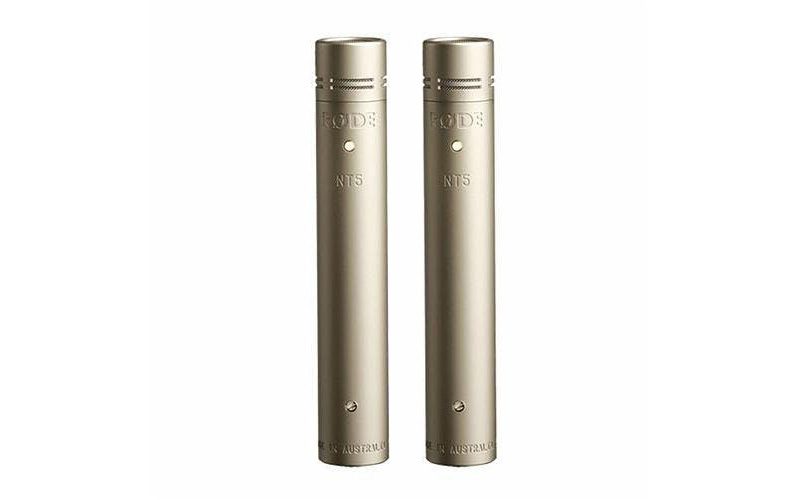
Rode NT5 Matched Pair
These "pencil" condensers are small and discreet, making them easy to hide while capturing a wide, natural stereo image of the singers.
Shure KSM137 - $692
This mic is built to withstand extremely high volumes, making it perfect for powerful choirs that might overwhelm more sensitive equipment.
Shure MX202 - $256
This is a hanging microphone that can be suspended from the ceiling, keeping the floor clear of stands while providing excellent coverage from above.
Spot Mics For Soloists: Shure SM58
If your choir features a soloist, give them a dedicated Shure SM58. This "spot mic" allows you to boost their specific volume during their performance without affecting the rest of the group.
Conclusion
That's our run down of the best microphones for church broadcasting, but sound engineering in these environments is always variable. Above everything, it's important to experiment to find the right sound for your church by ultimately trusting your ears.
When you've got all the right gear, you'll need some broadcasting software you can trust. At Radio.co, hundreds of churches and religious stations use our service to reach their congregations. If you want to see how we can help, book a call with one of our live streaming experts, or try our free 14-day trial.


